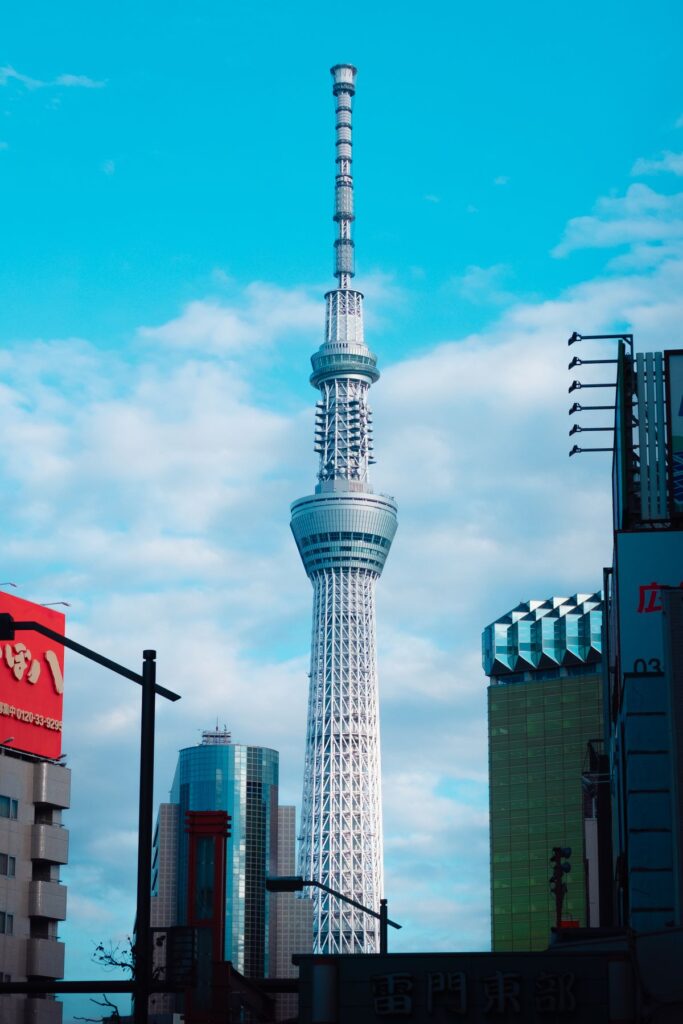
MEXT scholarships — Japan’s government scholarship programme — cover full tuition, return airfare and a monthly stipend of ¥143,000 to ¥145,000 for postgraduate study, with no application fee at any stage. They are among the most generous awards open to students from Nigeria, Ghana, Kenya, India, Pakistan and the Philippines, and among the least understood.
The Short Answer
There are two entirely separate routes in. The Embassy Recommendation route runs once a year through the Japanese embassy in your country, involves written exams, and does not require any Japanese. The University Recommendation route goes through a Japanese university, skips the exams, but requires a documented language score. You cannot use both in the same year.
The 2027 embassy cycle closed in mid-2026. The next round opens around April 2027, which makes now the right time to prepare rather than apply.
What MEXT Pays
| Level | Monthly stipend |
|---|---|
| Research student (non-degree) or preparatory education | ¥143,000 |
| Master’s or professional degree | ¥144,000 |
| Doctoral | ¥145,000 |
| Undergraduate | ¥117,000 |
A supplement of ¥2,000–3,000 a month applies in designated higher-cost areas. On top of the stipend:
- Entrance examination fee, matriculation fee and tuition are all waived — not reduced, waived
- Return economy airfare from the international airport nearest your home, and back on graduation
What you pay yourself: domestic travel to the airport, airport taxes, transit costs, excess baggage, travel insurance, housing, national health insurance and living costs. MEXT advises bringing around US$2,000 for initial expenses. Stipends are paid only into a Japan Post Bank account, which you open after arriving.
One thing worth saying plainly: these stipend figures have not changed since at least the 2024 cycle. Four years of Japanese inflation and a weak yen have passed without an increase. The award is still excellent, but budget on today’s cost of living in Japan rather than on what the number sounded like in 2020.
The Two Routes, Compared
| Embassy Recommendation | University Recommendation | |
|---|---|---|
| You apply to | The Japanese embassy in your country | A Japanese university directly |
| Written exams | Yes — Japanese and English | No |
| Language certificate | Not required | JLPT N2 or CEFR B2 English required |
| Finding a university | You do it yourself after passing screening | Already settled — it nominates you |
| Timeline | About nine months | Considerably faster |
| You compete against | Applicants from your own country only | That university’s applicant pool |
A significant change most guides have not caught up with: MEXT has stopped calling for applications under the University Recommendation “General” scheme from 2026 onwards. The Special or Priority selection continues, with at least 75% of nominees drawn from MEXT-designated countries. If you are targeting the university route, check that your target programme is still running a MEXT nomination at all before investing months in it.
Who Qualifies for the Research Student Award
For the 2027 cycle, applicants had to be born on or after 2 April 1992 — effectively under 35 at the start of the award. That cut-off rolls forward one year each cycle. Exceptions exist only for military service or war-related interruption to schooling; personal hardship does not qualify.
You also need:
- Nationality of a country with diplomatic relations with Japan
- Sixteen years of education, or a bachelor’s-equivalent degree from a programme of three years or more. Medicine, dentistry and veterinary science require eighteen years or a five-year degree
- A master’s degree or two years of post-graduation research for second-phase doctoral study
- A physician-signed medical certificate
What disqualifies you: serving military personnel or military civilian employees; previous MEXT grantees unless three or more years have passed; applying to more than one MEXT programme at once; already enrolled or planning to enrol in a Japanese institution as a privately funded student; receiving another Japanese government scholarship; having no intention of obtaining a degree; and any cheating in the examinations.
That third one catches people. Applying to two MEXT categories in the same year to improve your odds does the opposite — it disqualifies you from both.
You Do Not Need Japanese
This is the misconception that stops most people applying. On the embassy route, no language certificate is required. The guidelines ask only that applicants are “willing to learn Japanese”.
You do sit a Japanese written paper, but arriving with none is not disqualifying — the interview assesses whether you can communicate with a prospective supervisor in either Japanese or English. Research students then receive up to six months of Japanese preparatory education on arrival where the university thinks it necessary. Undergraduates get a full year of preparatory Japanese before their four-year degree begins, which is why the undergraduate award runs five years.
Undergraduate applicants should be realistic, though: you are expected to be willing to study primarily in Japanese afterwards.
How the Embassy Route Actually Runs
- Applications open at the embassy, around mid-April
- Embassy deadline, typically May or early June
- Document screening, then written examinations, then interview — roughly May to late July
- You find your own university. Successful candidates contact up to two Japanese universities and obtain provisional acceptance letters by 1 September, approaching a maximum of two at a time
- Placement preference form submitted mid-September to early October
- MEXT second screening and placement, from November
- Final results notified through the embassy, January to March
- Arrival in April or September/October
Step four is the one that surprises people. Passing the embassy screening does not hand you a place — it gives you permission to go and find one, on a deadline, by yourself. Start identifying supervisors and reading their published work long before you sit the exams.
Deadlines by Country
These are the 2027-cycle dates, now passed. Use them to predict the 2028 round, which should open around April 2027 — though no 2028 guidelines have been published yet, so treat these as a planning guide rather than confirmed dates.
| Country | 2027-cycle deadline | Note |
|---|---|---|
| Kenya | 18–19 May 2026 | Exams 10 July, interviews 13 July |
| Pakistan | 26 May 2026 | Postal only — Islamabad embassy or Karachi consulate |
| Ghana | 29 May 2026 | Submitted via the Scholarship Secretariat, Accra — not the embassy |
| Philippines | 29 May 2026 | Physical documents only, hand-delivered or mailed |
| Nigeria | 8 June 2026 | Paper only, to the Embassy in Maitama, Abuja |
| India | Varies by category | All seven categories offered, with published quotas |
Note Ghana especially — applications route through the Scholarship Secretariat rather than the embassy, and people miss the window by sending documents to the wrong place.
The Exams
Research student applicants sit Japanese and English. Applicants from countries where English is an official language may be exempted from the English paper, though we could not confirm from any official page whether that exemption is applied in the six countries above — ask your embassy directly rather than assuming.
Undergraduate applicants sit more. Social sciences and humanities candidates take Japanese, English and Mathematics. Natural sciences candidates take Japanese, English, Mathematics, and Chemistry plus Physics or Biology depending on the sub-field. Calculators are not permitted. Past papers are published free on the Study in Japan site and are the single best preparation available.
There Is No Fee, and There Are No Agents
The Embassy of Japan in India states it directly: no application fee is charged, and “organizations or individuals who charge application fees or deposits have no relation with the Japanese Government.” The Embassy of Japan in Kenya carries its own warning about fraudulent MEXT offers.
Application forms are free to download from the official Study in Japan site. There are no MEXT-approved agents — applications go only through a Japanese diplomatic mission or a Japanese university. And do not send documents directly to MEXT in Japan; they will not be considered.
MEXT Scholarship FAQ
Do I need to speak Japanese to apply?
Not on the Embassy Recommendation route. No language certificate is required and the guidelines ask only that you are willing to learn. The University Recommendation route is different and does require JLPT N2 or CEFR B2 English.
How much does MEXT pay each month?
¥143,000 for research students, ¥144,000 for master’s, ¥145,000 for doctoral and ¥117,000 for undergraduates, plus ¥2,000–3,000 in designated higher-cost areas. Tuition is fully waived and return airfare is covered.
Is there an application fee?
No, at any stage or for any category. The Embassy of Japan in India states plainly that anyone charging application fees or deposits has no relationship with the Japanese government.
What is the age limit?
For the 2027 research student cycle, applicants had to be born on or after 2 April 1992 — broadly under 35. The cut-off moves forward one year per cycle, and exceptions apply only for military service or war-related interruption to schooling.
Can I apply for two MEXT categories at once?
No. Applying to more than one MEXT programme simultaneously is an explicit disqualification, so it removes you from both rather than doubling your chances.
Does passing the embassy exams mean I have a place?
No. You then contact up to two Japanese universities yourself and must obtain provisional acceptance by 1 September, before MEXT’s second screening and final placement.
When does the next round open?
The embassy round typically opens around April with deadlines in May or June, so the next cycle should open around April 2027. Guidelines for that cycle are not yet published, so confirm with your embassy rather than relying on the pattern.
Your Next Step
With the current round closed, you have something rarer than a deadline: time. Use it on the two things that decide this award. Download the past examination papers from the official Study in Japan site and start working through them now — most applicants see them for the first time a fortnight before the exam. And begin identifying Japanese academics whose research genuinely connects to yours, because you will need a provisional acceptance letter on a tight timetable if you pass.
Apply in parallel across different calendars. Our guides to Commonwealth Scholarships, Chevening and DAAD EPOS scholarships in Germany cover awards with different deadlines, and our guide to writing a winning scholarship essay covers the research plan, which is what the MEXT second screening actually judges.
Last reviewed: 22 September 2026, against the official 2027 MEXT guidelines published by Study in Japan, MEXT’s own university-recommendation guidelines of December 2025, and the Japanese embassy pages for Nigeria, Ghana, Kenya, India, Pakistan and the Philippines. Deadlines and terms change each cycle — confirm on studyinjapan.go.jp and with your embassy before applying.
KINGNAMY verifies every opportunity against its official source, links you directly to official application pages, and never charges fees.




No comments yet — be the first to share your thoughts or ask a question about this opportunity.